The Human Firewall: The Most Overlooked Layer of Cybersecurity
Blog post description.

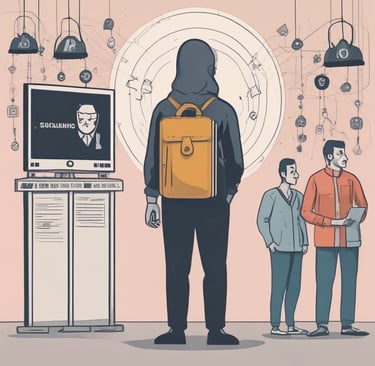
In the world of information technology, tools and technologies evolve at a relentless pace. New security platforms, AI‑driven analytics, and automated defenses promise stronger protection every year. Yet after more than a decade working across systems, networks, and security, one truth continues to rise above the rest:
The most impactful security improvement any organization can make is strengthening its Human Firewall.
At Dornbusch Computing, LLC, we’ve seen firsthand that even the most advanced technical controls ultimately rely on the people who use them. One misguided click, one rushed decision, or one moment of uncertainty can open the door to a security incident — even in environments with solid configurations and modern defenses.
Why Traditional Training Falls Short
Most organizations do provide cybersecurity training. The problem isn’t the lack of training — it’s the lack of connection.
Too often, training focuses on rules, policies, and checklists without ever explaining why these behaviors matter to the individual user. When people don’t understand the personal relevance, the lessons don’t stick.
Cybersecurity isn’t just an IT requirement. It’s a life skill.
When users understand how the same tactics used in workplace phishing attempts are also used to target their personal email, their parents, or their children, the training becomes meaningful. It becomes something they can use every day — not just something they click through once a year.
Reframing Security From the User’s Perspective
IT professionals often approach security from a technical mindset. But to build a stronger Human Firewall, we need to think like communicators, not just technicians.
A few simple shifts make a big difference:
Explain the “why,” not just the “what.” People engage more when they understand the purpose behind the rule.
Connect training to real‑world scenarios. Show how the same skills protect their bank accounts, social media, and family members.
Empower users, don’t lecture them. When people feel capable, they become active participants in security — not passive recipients.
Encourage conversations. A workforce that talks about suspicious emails or unusual activity is a workforce that prevents incidents.
This approach doesn’t just reduce risk. It builds a culture where security is shared, understood, and valued.
The Ripple Effect: Protecting More Than the Workplace
One of the most powerful outcomes of user‑centric training is how it extends beyond the office.
Employees often share what they learn with older relatives, friends, or anyone who might be vulnerable to scams. They become advocates for safer digital behavior in their communities.
That ripple effect matters — and it starts with giving people the tools and understanding they need.
A Smarter, More Human Approach to Cybersecurity
At Dornbusch Computing, LLC, we believe that technology and people must work together to create resilient organizations. Firewalls, endpoint protection, and monitoring tools are essential — but they’re only as strong as the people behind the keyboard.
By investing in meaningful, relatable, user‑focused training, businesses can dramatically reduce risk while empowering their teams.
And yes — it saves IT professionals a few headaches along the way.
Contact
Get in touch
Phone
info@dornbuschcomputing.com
(319) 493-7358
© 2025. All rights reserved.